Solid wood is often described through its strength, its weight, or its natural appearance. Yet what truly distinguishes this material is not how it looks on the first day it’s produced. Solid wood is defined by how it changes as it’s used, how it transforms with light and touch, and how it matures alongside the space it inhabits.
Today, many materials belong to a single moment. When tastes shift, they fall out of place; when they wear down, they lose their value. Solid wood stands outside this cycle. For wood, time is not an ending—it’s a continuation.
Trees Don’t Rush Nothing in nature grows quickly or without intention. It takes years for a tree to become strong; its roots reach deep before its trunk can stand firm. Durability is the product of time and patience. Solid wood follows the same natural logic. It isn’t created for fast consumption; it’s shaped to exist for years. That’s why products made from solid wood don’t compete against time. They move with it—and this is where their value lies.
What Exactly Is Solid Wood? Solid wood is made from a single, natural piece of timber. It contains no pressed fibers, artificial fillers, or veneer layers. Unlike MDF or particle board, the natural grain structure of the tree remains intact. This structure determines not only the material’s durability but also how it behaves over time. Solid wood breathes. It reacts to humidity and temperature changes. When properly dried, processed, and finished, it maintains its form for many years. One of its most important characteristics is that it can be repaired. Marks, scratches, and changes in color are not permanent flaws—they are natural layers that can be resurfaced. This is why solid wood isn’t meant to be used and thrown away. It can be sanded, re‑oiled, recolored, or refinished. The same piece can be renewed again and again across different eras of life.
How Wood Responds to Time The way solid wood changes over time is not random. The tree’s grain direction, density, and the type of finish applied all shape this transformation. Surfaces exposed to sunlight deepen in tone. Wood finished with natural oils gains a warmer, more mature look over the years. Humidity and temperature shifts engage the wood’s ability to breathe; when processed correctly, this interaction doesn’t harm the material—it stabilizes it. Touch is also part of the process. Areas used often become smoother, softer, more inviting. Wood responds to the life around it. These marks aren’t signs of decay; they are evidence of living. Solid wood doesn’t deteriorate—it ages. It absorbs the rhythm of its environment and becomes more itself with every passing year.
The Same Piece, Different Times Imagine a home. In the living room sits a simple TV unit made from natural solid pine—used since the very first day in that space. There are small marks on its surface; its color has grown warmer with time. The home has changed, and so has life within it. Years later, a move to a new space brings a different atmosphere—perhaps darker tones, a more grounded palette. Most furniture would be left behind at this stage. Solid wood offers another path. The TV unit isn’t discarded. Its surface is sanded, revealing the quiet stories beneath the finish. Then it’s refinished with a deep, earthy-toned linseed oil. Now it carries a richer, more mature character that fits the new home perfectly. What emerges is not a new piece, but the same one—adapted to a new chapter of life. Solid wood doesn’t fall behind when life changes; it adapts and continues.
Solid Wood in the Home Solid wood brings more than aesthetics. It adds warmth, balance, and a sense of continuity. Its natural texture builds an immediate relationship with its surroundings and softens the coolness of artificial surfaces. It works effortlessly across styles: minimalist, Scandinavian, modern, rustic, or timeless interiors. Solid wood doesn’t belong to a specific trend; it belongs to the space itself. That’s why it remains relevant for decades. In living rooms, shelves, TV units, and side tables become part of the home’s identity over time. In workspaces, solid wood offers a calmer and more grounded environment. In high‑use areas, its ability to be resurfaced and renewed makes it one of the most sustainable choices. A home furnished with solid wood doesn’t need constant replacing. Because solid wood doesn’t expire—it grows with you.
Masiff: In Name and Nature, Truly Solid The name Masiff comes directly from “massif”—solid wood. Not as a wordplay, but as a declaration. We didn’t choose solid wood because it is trendy; we chose it because it expresses exactly who we are. Masiff isn’t just a brand that uses solid wood. It is a brand that thinks, designs, and creates in alignment with its nature. Masiff is solid wood—by definition and by philosophy. Every Masiff piece is designed not for a single moment but for a life that evolves. For different homes, different needs, and different eras. It exists so it can be transformed rather than replaced—because sustainability, for us, isn’t a slogan. It is inherent in the material itself.
Masiff products don’t stand against time. They move forward with it.
Solid Wood: A Material That Changes With Time and Gains Meaning as It Lives
Solid wood is often described through its strength, its weight, or its natural appearance. Yet what truly distinguishes this material is not how it looks on the first day it’s produced. Solid wood is defined by how it changes as it’s used, how it transforms with light and touch, and how it matures alongside the space it inhabits.
Today, many materials belong to a single moment. When tastes shift, they fall out of place; when they wear down, they lose their value. Solid wood stands outside this cycle. For wood, time is not an ending—it’s a continuation.
Trees Don’t Rush
Nothing in nature grows quickly or without intention. It takes years for a tree to become strong; its roots reach deep before its trunk can stand firm. Durability is the product of time and patience.
Solid wood follows the same natural logic. It isn’t created for fast consumption; it’s shaped to exist for years. That’s why products made from solid wood don’t compete against time. They move with it—and this is where their value lies.
What Exactly Is Solid Wood?
Solid wood is made from a single, natural piece of timber. It contains no pressed fibers, artificial fillers, or veneer layers. Unlike MDF or particle board, the natural grain structure of the tree remains intact. This structure determines not only the material’s durability but also how it behaves over time.
Solid wood breathes. It reacts to humidity and temperature changes. When properly dried, processed, and finished, it maintains its form for many years. One of its most important characteristics is that it can be repaired. Marks, scratches, and changes in color are not permanent flaws—they are natural layers that can be resurfaced.
This is why solid wood isn’t meant to be used and thrown away. It can be sanded, re‑oiled, recolored, or refinished. The same piece can be renewed again and again across different eras of life.
How Wood Responds to Time
The way solid wood changes over time is not random. The tree’s grain direction, density, and the type of finish applied all shape this transformation.
Surfaces exposed to sunlight deepen in tone. Wood finished with natural oils gains a warmer, more mature look over the years. Humidity and temperature shifts engage the wood’s ability to breathe; when processed correctly, this interaction doesn’t harm the material—it stabilizes it.
Touch is also part of the process. Areas used often become smoother, softer, more inviting. Wood responds to the life around it.
These marks aren’t signs of decay; they are evidence of living. Solid wood doesn’t deteriorate—it ages. It absorbs the rhythm of its environment and becomes more itself with every passing year.
The Same Piece, Different Times
Imagine a home. In the living room sits a simple TV unit made from natural solid pine—used since the very first day in that space. There are small marks on its surface; its color has grown warmer with time. The home has changed, and so has life within it.
Years later, a move to a new space brings a different atmosphere—perhaps darker tones, a more grounded palette. Most furniture would be left behind at this stage. Solid wood offers another path.
The TV unit isn’t discarded. Its surface is sanded, revealing the quiet stories beneath the finish. Then it’s refinished with a deep, earthy-toned linseed oil. Now it carries a richer, more mature character that fits the new home perfectly.
What emerges is not a new piece, but the same one—adapted to a new chapter of life. Solid wood doesn’t fall behind when life changes; it adapts and continues.
Solid Wood in the Home
Solid wood brings more than aesthetics. It adds warmth, balance, and a sense of continuity. Its natural texture builds an immediate relationship with its surroundings and softens the coolness of artificial surfaces.
It works effortlessly across styles: minimalist, Scandinavian, modern, rustic, or timeless interiors. Solid wood doesn’t belong to a specific trend; it belongs to the space itself. That’s why it remains relevant for decades.
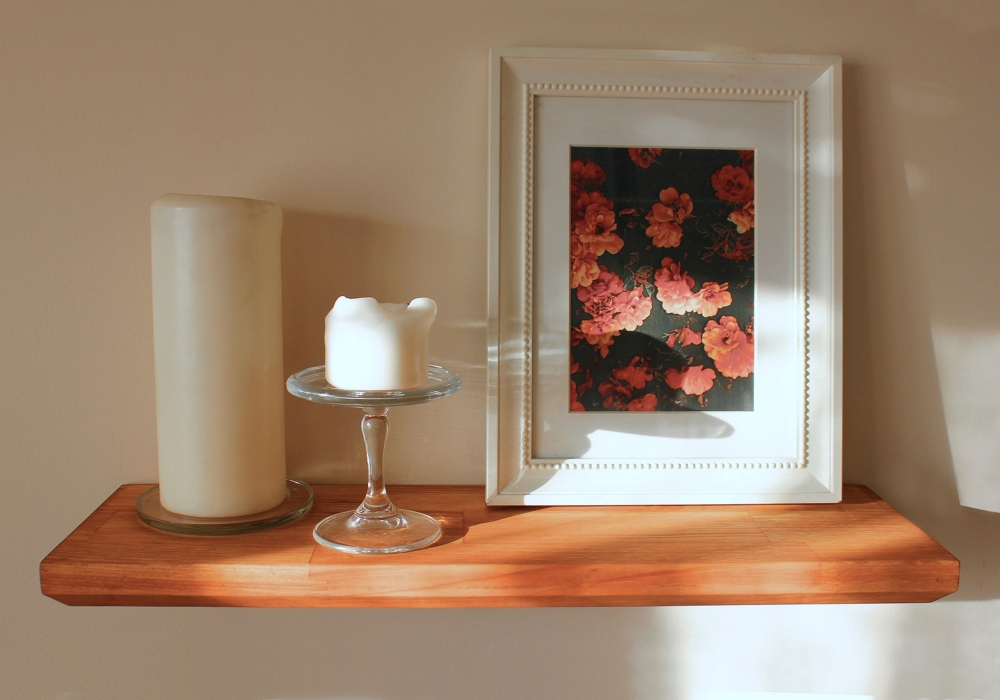
In living rooms, shelves, TV units, and side tables become part of the home’s identity over time. In workspaces, solid wood offers a calmer and more grounded environment. In high‑use areas, its ability to be resurfaced and renewed makes it one of the most sustainable choices.
A home furnished with solid wood doesn’t need constant replacing.
Because solid wood doesn’t expire—it grows with you.
Masiff: In Name and Nature, Truly Solid
The name Masiff comes directly from “massif”—solid wood. Not as a wordplay, but as a declaration. We didn’t choose solid wood because it is trendy; we chose it because it expresses exactly who we are. Masiff isn’t just a brand that uses solid wood. It is a brand that thinks, designs, and creates in alignment with its nature.
Masiff is solid wood—by definition and by philosophy.
Every Masiff piece is designed not for a single moment but for a life that evolves. For different homes, different needs, and different eras. It exists so it can be transformed rather than replaced—because sustainability, for us, isn’t a slogan. It is inherent in the material itself.
Masiff products don’t stand against time.
They move forward with it.